Total: £0.00
Taxes and shipping calculated at checkout

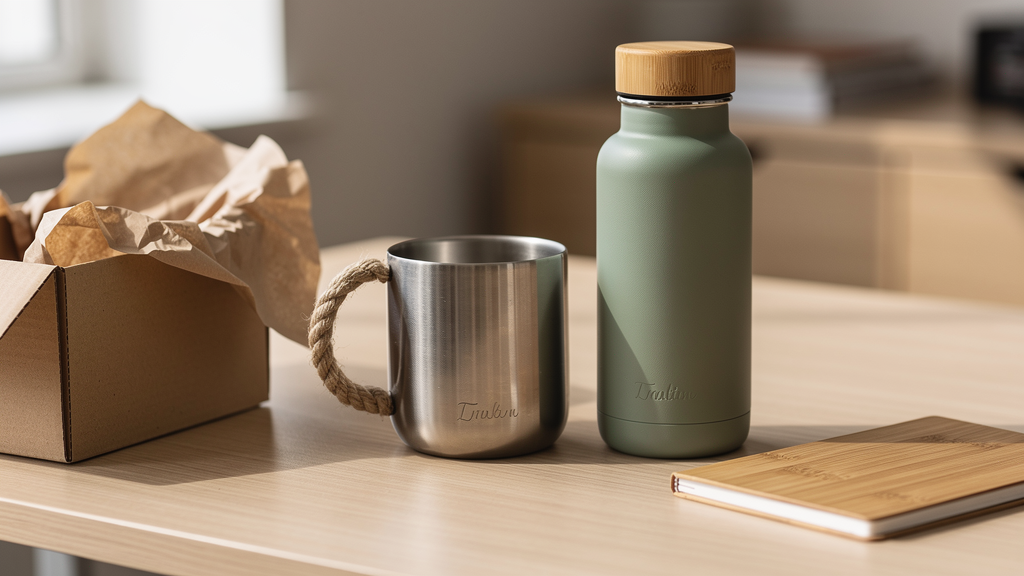
Most onboarding gift box enquiries land in the inbox a few days before a start date, with a company logo attached as a 240px PNG pulled straight from an email signature. That's the file we have to send back and ask for again. Onboarding gift boxes with personalised mugs and bottles are one of the easiest wins in a new-starter process, but only when the artwork and the timeline are sorted before the box gets ordered, not after.
We've engraved several hundred welcome boxes for UK teams this year, from five-person start-ups sending one box a month to intake rounds of thirty or more arriving on the same Monday. The pattern holds: the boxes people keep on their desk aren't the ones with the most items in them. They're the ones where the name is spelled correctly and the logo actually looks like the logo.
Two items, chosen well, do more than five items that read like a job lot. For a desk-based new starter, a personalised mug and a personalised water bottle covers both a morning coffee and the bottle that goes to meetings. Add a notebook if the role is client-facing or the company wants something they'll carry out of the building.
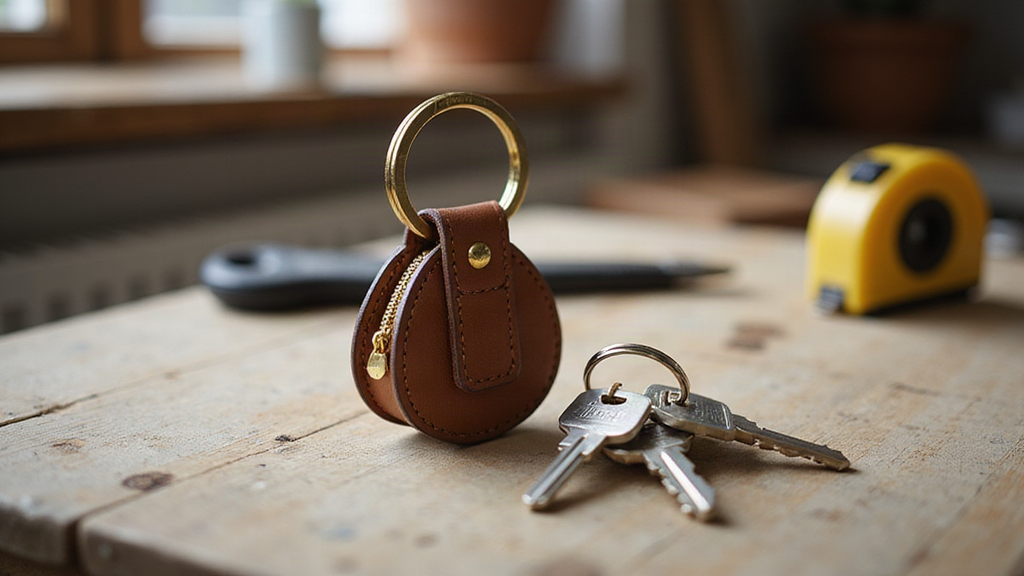
Skip the branded lanyard and the stress ball. HR teams tell us those get left in the box. Engraved drinkware doesn't, mainly because it has the person's own name on it rather than just the company's. If budget allows a third item, a slate coaster or a small leather keyring costs little and still carries a name, which matters more to most people than a company logo on its own ever will.
Both are stainless steel, and the engraving works the same way on each: the laser removes a thin layer of the coloured coating to expose the steel underneath. On a dark colourway like Matte Black or Sage Green, that shows up as a clean silver-grey mark with good contrast. On a pale colourway like Icy White or Pastel Pink, the same file can read as barely visible, because there's less colour difference between the coating and the steel beneath it. If the logo needs to be legible in a product photo or on a video call, choose the darker option — worth deciding before the order goes in, not after the first batch arrives.
The mug's rope handle and the bottle's bamboo lid both take engraving well, but neither is a good surface for anything finer than a name or a simple mark. A detailed crest or a logo with fine linework belongs on the flat barrel of the mug or bottle body, not the handle or lid.
The bamboo notebook and pen set uses a laser-cut mark on a bamboo-effect hard cover — crisp, permanent, and it reads well even at small sizes. It's a different process to the leather notebooks in the range, which are engraved into the grain rather than cut through a coating, giving a softer, slightly recessed mark. Neither is better; they're just different finishes, and worth seeing a photo of before committing forty of them to one design.
This is the step that decides whether a batch order takes two conversations or six. We need vector artwork — AI, EPS, or SVG — not a PNG or JPEG pulled from a website or an email signature. A vector file scales to any size without losing edge quality; a raster logo enlarged past its native resolution comes out blurred or jagged once it's cut into metal.
A few things that cause a redo:
Sending the logo and a name list together, in the format above, at the point of enquiry rather than after the quote is agreed, is the single biggest factor in whether a corporate order runs to the timeline you gave HR.
The most common issue by far is the artwork problem above. Second most common: a spreadsheet of new-starter names sent as a photo of a printed page, with at least one name illegible or spelled two different ways across the document. We'll always flag it and ask before engraving, but it costs a day each time.
Third: assuming a batch of thirty engraved mugs can be turned around in the time it takes to engrave one. It can't. Batch orders are quoted and scheduled individually because production time depends on quantity and design complexity, and that quote is only accurate once we've seen the final artwork and the full list — which is exactly why sending both early matters more than sending them fast.
Standard personalised orders are processed within 1–3 business days once personalisation details are confirmed — that clock starts when we have the finished artwork and name list, not when the enquiry lands. Bulk and corporate orders are quoted individually, with the timeline confirmed at the point of enquiry, because quantity and design complexity both affect it. For a new-starter cohort with a fixed start date, we'd ask for the brief at least two to three weeks out, more for anything over fifty units or a design that needs proofing back and forth. Orders aren't processed, dispatched, or delivered on weekends or UK bank holidays, so a start date that falls on a Monday after a bank holiday weekend needs an extra day or two of buffer.
One limitation worth knowing before you brief this in: we can't guarantee an exact colour match if you're topping up a previous order months later — dye lots on the coloured steel finishes vary slightly, and we can't promise a bottle ordered in March will match one ordered in September under close inspection. For a single onboarding cohort ordered together, this isn't an issue. For a rolling programme adding a handful of starters every month, it's worth knowing in advance rather than finding out on delivery.
A mug and a bottle, in a colourway dark enough to hold the logo, ordered with vector artwork and a checked name list, briefed in two to three weeks ahead of the start date. That's what makes an onboarding box land on the desk instead of the shelf. Get in touch with your logo file and start dates and we'll quote a turnaround before you commit to anything — see the full range in our corporate gifts collection.